On November 19, 2026, GTA VI will launch into a genre it emptied out. The only studio that ever took on Rockstar head-on, Volition, has been gone since August 2023, and the man who helped create its series buried the franchise this past February. Here’s the story of GTA’s last real rival, and what its death says about the world waiting for GTA 6.
Saints Row was born in the gap GTA left behind
In 2006, Rockstar is nowhere to be found. GTA: San Andreas is two years old, GTA IV won’t arrive until 2008, and the Xbox 360 has just launched without a single crime sandbox on its shelf. Volition, an Illinois studio founded in 1993 and known until then for Red Faction and its destructible environments, walks straight through the opening. Saints Row ships as an Xbox 360 exclusive and clears 2 million copies.
The bet wasn’t to copy GTA but to outflank it with sheer excess. As Kotaku puts it, the game “pushed the goofiness further than Grand Theft Auto dared to.” Where Rockstar cared about its social satire, Volition served up an absurdly deep character creator, day-glo gangs and locker-room humor. The formula worked: Saints Row 2, released in 2008, the same year GTA IV redefined the genre, would go on to sell 3.4 million copies.
The Third was the peak, and the start of the problem
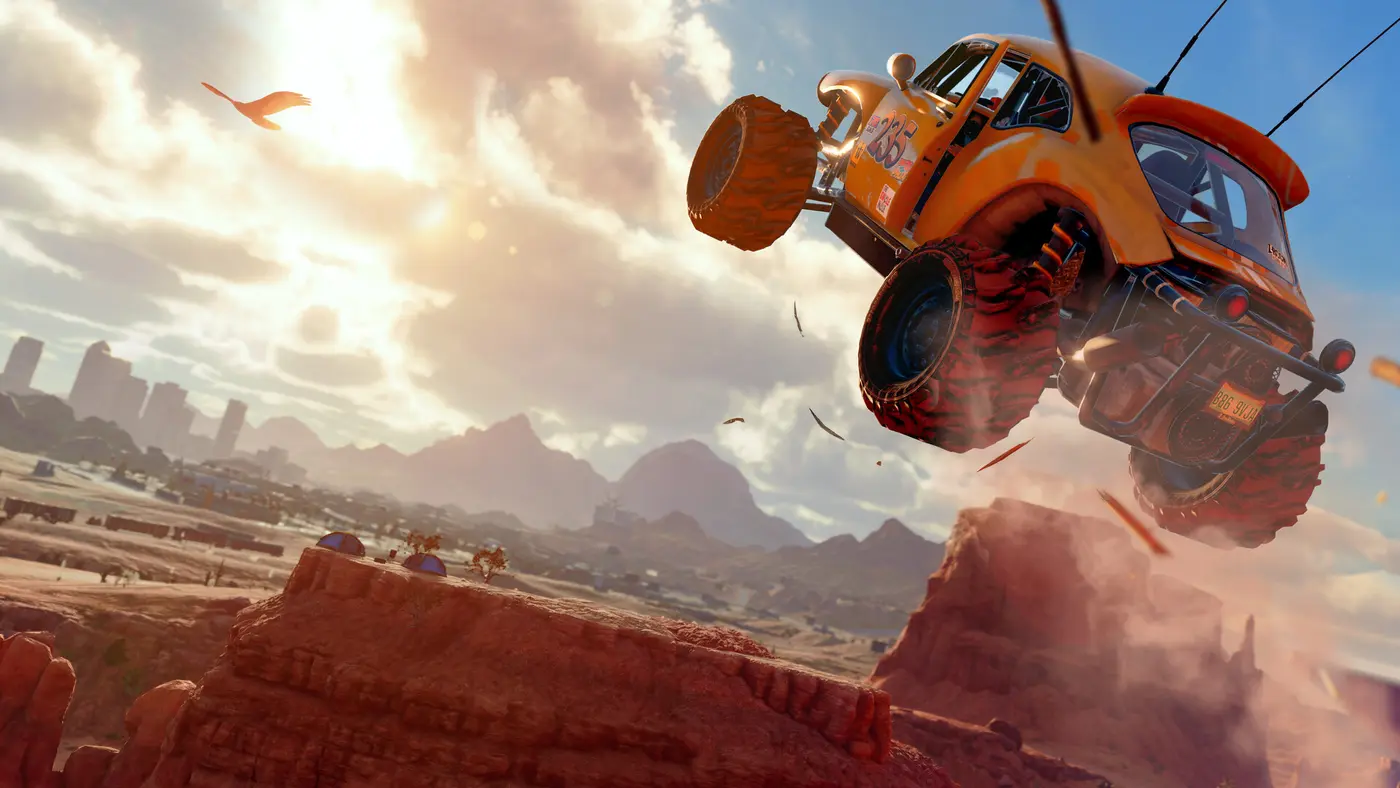
Saints Row: The Third, in 2011, is the commercial high point of the series: over 5.5 million copies, a record it would never beat. It’s also the moment Volition picks its side for good, going all in on escalation, purple dildo bat and free-fall skydive set to Kanye West’s Power. The crime sandbox becomes a theme park.
The trap snaps shut with Saints Row IV in 2013, which moves over a million copies in its first week but swaps the city for an alien simulation and the Boss for a president with superpowers. The series managed to set itself apart from GTA to the point of leaving the genre entirely. When Rockstar drops GTA V that same year, the two games aren’t talking to the same audience anymore, and the scoreboard is brutal: GTA V is now closing in on 230 million copies.

The 2022 reboot broke the franchise
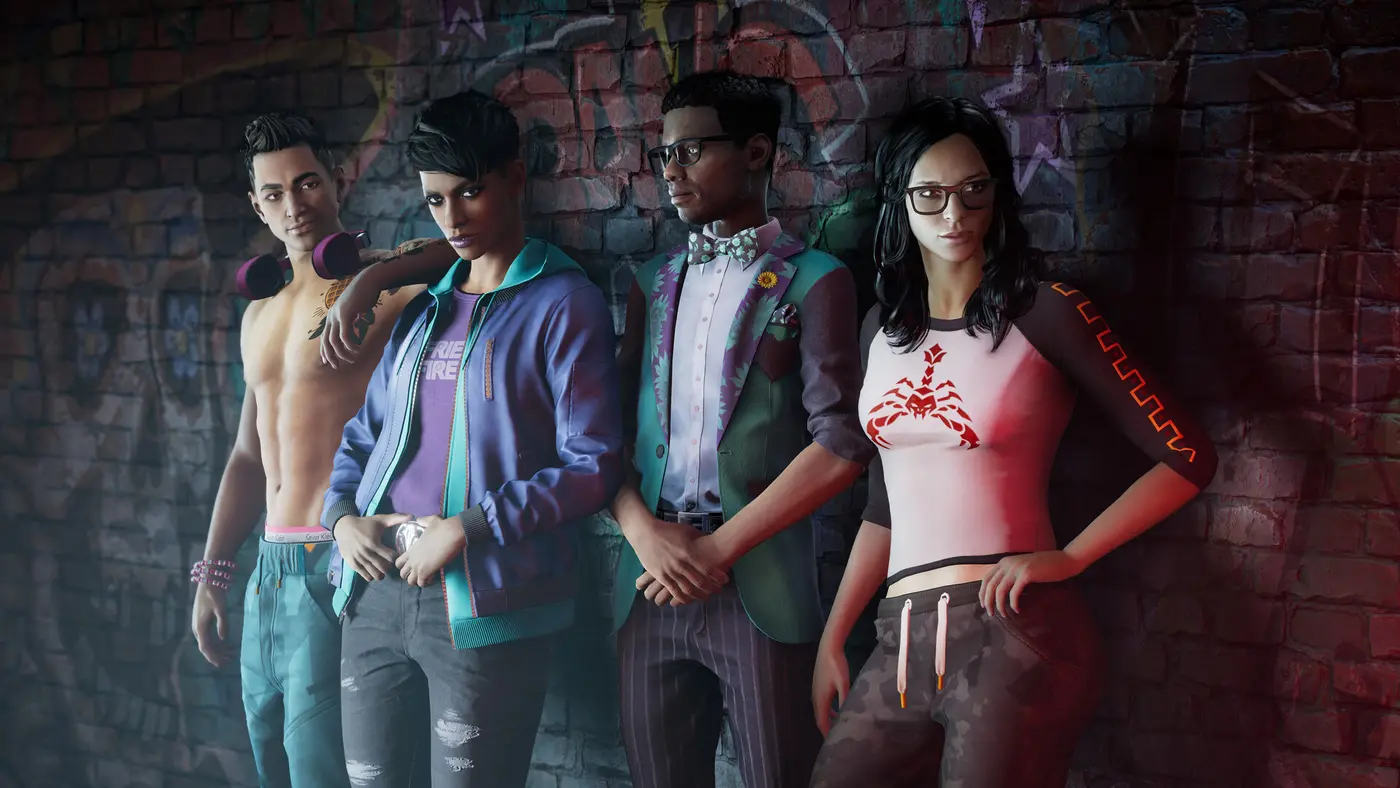
After nine years of silence, Volition swings for a comeback in August 2022 with a plain Saints Row, a reboot set in the fictional city of Santo Ileso. The idea makes sense on paper: back to the roots, four young people starting a gang. The execution doesn’t follow. The game ships in shaky technical shape and, as Kotaku notes, lands as “technically broken and tonally off” for fans, a crew of likable roommates where the series had trained everyone to expect psychopaths.
Then the sales verdict lands: roughly 1.7 million copies, according to a former Volition community manager. That’s fewer than every mainline entry in the series, including the very first one, which shipped on a single console sixteen years earlier.
Volition didn’t survive the failure
On August 31, 2023, Embracer shuts Volition down “effective immediately,” thirty years after its founding. The studio isn’t just paying for its reboot: it gets swept up in Embracer’s massive restructuring, triggered by the collapse of a $2 billion partnership with Savvy Games Group. The Swedish group had spent years buying up studios; now it’s selling them off or closing them.
The difference in corporate structure is decisive here. Rockstar belongs to Take-Two, whose stock price rides on GTA, and which gave Rockstar thirteen years to deliver GTA VI. Volition answered to a conglomerate with neither the time nor the money to bankroll a second try. A mid-size studio only gets one failure.
In February 2026, the creator buried the series
Hope hung on for a while. On May 20, 2026, in a shareholder letter, Embracer chairman Lars Wingefors still lists Saints Row among the licenses his new Fellowship entity will “more actively” explore through external partners, alongside Deus Ex, TimeSplitters and Legacy of Kain. But no studio has been announced, and no game is in development.
The killing blow came from inside. In November 2025, Chris Stockman, design director on the first Saints Row, revealed that Embracer had approached him directly to right the ship: he pitched a prequel set in the 1970s. Then, nothing. On February 21, 2026, he gave his verdict to a fan on Discord: “I think the franchise is dead, unfortunately. I feel like Embracer has no ability to do anything with it.” When the company that owns the license goes to the series creator itself and then stops returning his messages, the rival slot is officially empty.
What this death says about the world waiting for GTA VI
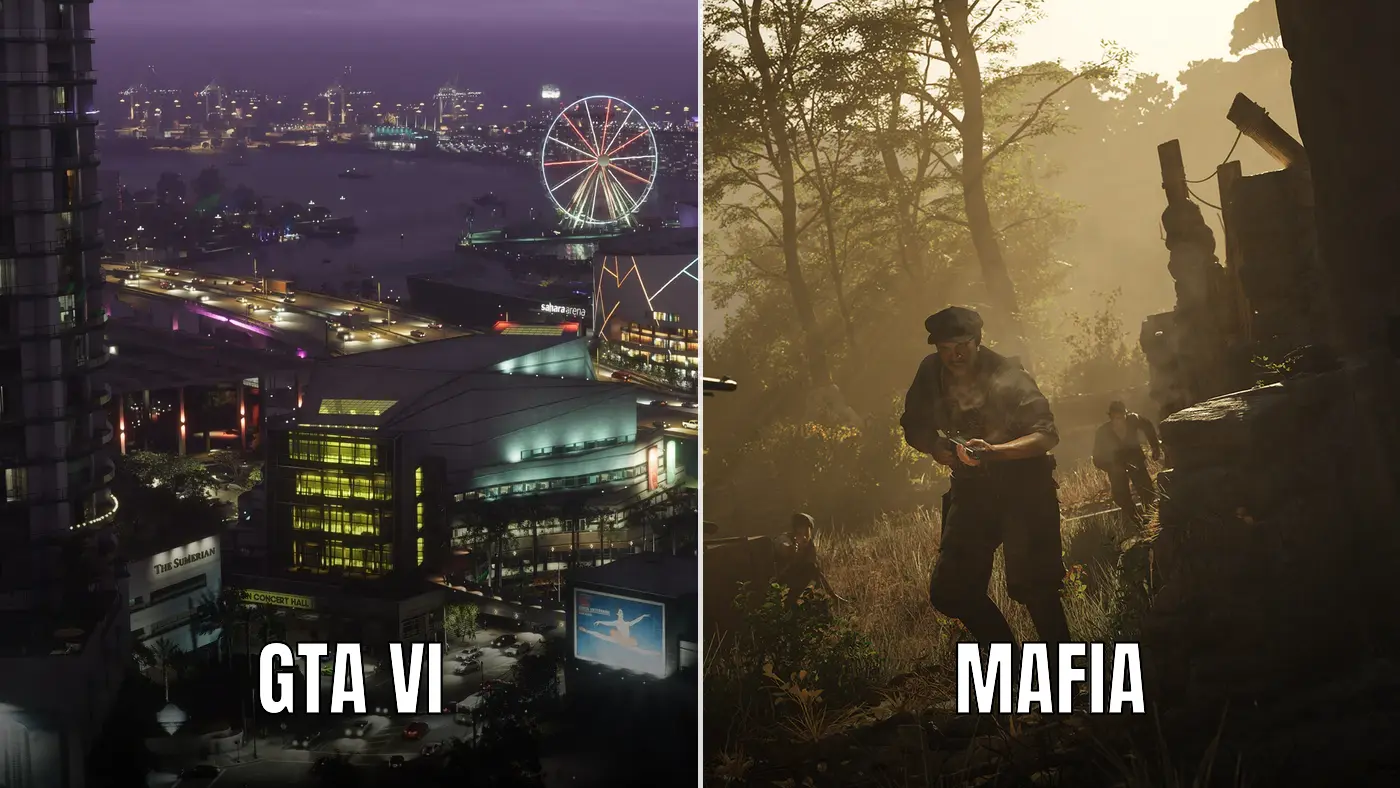
Saints Row never beat GTA, but it did have a job: hold the ground between Rockstar releases. Thirteen years separate GTA V from GTA VI, and nobody filled that void. The reason is economic. GTA VI’s budget runs into the hundreds of millions, as we broke down in our look at the most expensive game ever made, and that’s the number you have to put up today to claim the same level of polish.
Faced with that price of admission, the challengers backed off. Watch Dogs is asleep at Ubisoft, Saints Row has no studio left, and the most credible neighbor is still Cyberpunk 2077, which plays in a different class of city and genre, as we laid out in our duel of ambitions. If you’re looking for something to fill the wait, our roundup of games like GTA is still the best place to start between now and the release date.
That’s the paradox of November 2026. GTA VI launches from a position of absolute strength, without a single head-on competitor, and that’s exactly what makes the genre fragile: when only one studio can still afford a crime sandbox at this scale, there’s no comparison left to make, so there’s nothing pushing anyone forward. The first Saints Row existed because GTA had left an opening. Today there’s no opening, and nobody left to slip through it.
Comments
Be the first to react.